Structuralist Development Macroeconomics Research Group
Structuralist Development Macroeconomics is defined by Bresser-Pereira, Oreiro and Marconi (2014, p. 56) as
“the economic theory that explains economic development as a historical process of capital accumulation, incorporating technological progress and structural change, in which accumulation depends on the existence of profitable investment opportunities offered by sustained growth of demand, which, in turn, depends on the balanced increase of the domestic market and of exports, which, finally, depends on the exchange rate fluctuating around its equilibrium level, instead of being chronically and cyclically overvalued, as is often the case in developing countries.”
The research group was founded
in 2008 by José Luis Oreiro, Professor in the Department of Economics at the University of Brasília, Brazil.
Several members of the group have collaborated for many years, publishing extensively in leading national and international journals such as the Brazilian Journal of Political Economy, Metroeconomica, Structural Change and Economic Dynamics, Review of Political Economy, Cepal Review, Investigación Económica, Journal of Post Keynesian Economics, Cambridge Journal of Economics, and International Review of Applied Economics, among others.
The group is known for its high research productivity, with many members holding CNPq Level I research fellowships. Within the scope of the group’s activities, the book Developmental Macroeconomics: New Developmentalism as a Growth Strategy was published by Routledge (UK) in 2015, followed by the volume Moeda e Sistema Financeiro: ensaios em homenagem a Fernando Cardim de Carvalho in 2019.
The research group is registered in the Research Groups Directory of the Brazilian National Council for Scientific and Technological Development (CNPq) and certified by the University of Brasília (UnB). Its directory entry is available at http://dgp.cnpq.br/dgp/espelhogrupo/11697. José Luis Oreiro serves as the group’s leader, with Luiz Fernando de Paula as vice-leader.
The group’s research activities
activities are organized into six main lines:
- Growth and Distribution in Post-Keynesian Models
- Growth, Infrastructure and Convergence Clubs
- Financial Fragility and Business Cycles
- Developmental Macroeconomics
- Stock-Flow Consistent Models
- Monetary Policy, Exchange Rate Regime and Sustainability of Public Debt
Researches
Meet Our Macroeconomics Researchers
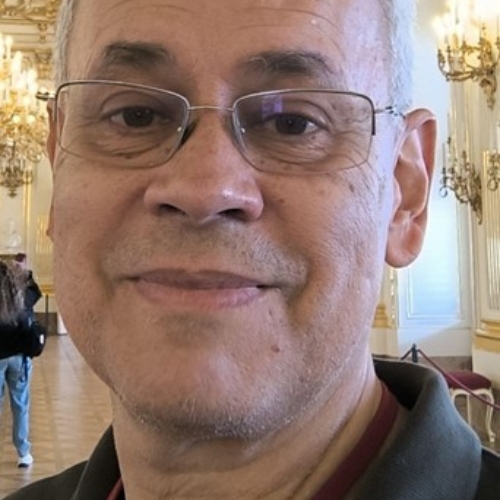
Luiz Fernando de Paula
Professor of Economics
Professor of Economics at the Federal University of Rio de Janeiro (IE/UFRJ), Researcher of CNPq and FAPERJ.
Doctorate in Economics at the University of Campinas (UNICAMP). Visiting Researcher at University of Oxford and Freie Universitat Berlin, and President of the Brazilian Keynesian Association in 2009-2013. I am author and editor of a lot of academic papers and books, including “Financial Liberalization and Economic Performance: Brazil at the Crossroads” (Routledge, 2011) and “Currency Hierarchy and Financial Globalization: Implications for Peripheral Economies” (Edward Elgar, 2026).
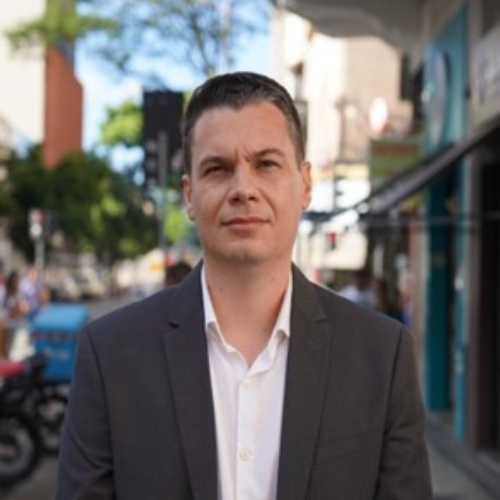
Stefan Wilson D’Amato
PhD in Applied Economics
Doutor em Economia Aplicada pelo CEDEPLAR/UFMG, com breve passagem pela CEPAL/ONU.
Atua como pesquisador de pós-doutorado no PPGE/UFPA, além de consultor econômico, conselheiro de política econômica na FIEMG e Conselheiro Regional Efetivo do Corecon-MG. Autor do livro Introdução ao R e Analytics: Aplicações em Economia.
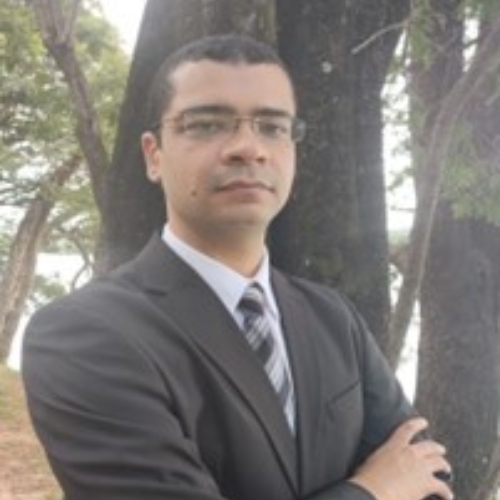
Wallace Marcelino Pereira
Professor of Economics
Professor do Programa de Pós-Graduação em Economia – PPGE/UFPA. Doutor em Economia Aplicada pelo CEDEPLAR / UFMG,
com passagem pela CEPAL/ONU e pelo Centre of Latina American Studies – CLAS da University of Cambridge – UK.
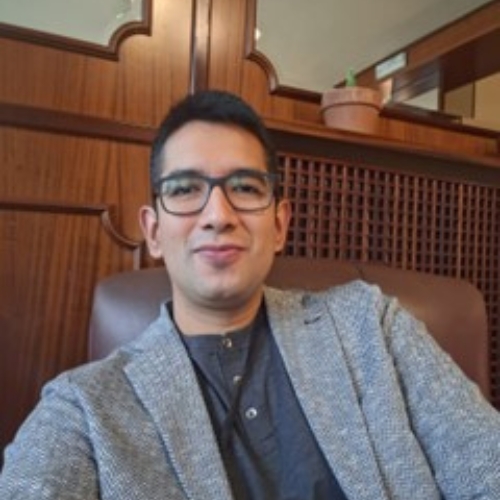
Marwil J. Davila-Fernandez
Assistant Professor of Political Economy
Assistant Professor of Political Economy at Colorado State University, USA. PhD in Economics from the University of Siena, Italy.
My research focuses on sustainable development, growth-cycle dynamics, and behavioural macroeconomics. I develop and calibrate nonlinear dynamic models with heterogeneous agents, grounded in alternative theories of growth and distribution, to study structural change in modern economies. Scholarly papers have appeared in the Journal of Economic Behavior Organization, Cambridge Journal of Economics, Ecological Economics, Environmental & Resource Economics, Communications in Nonlinear Science and Numerical Simulation, among others.
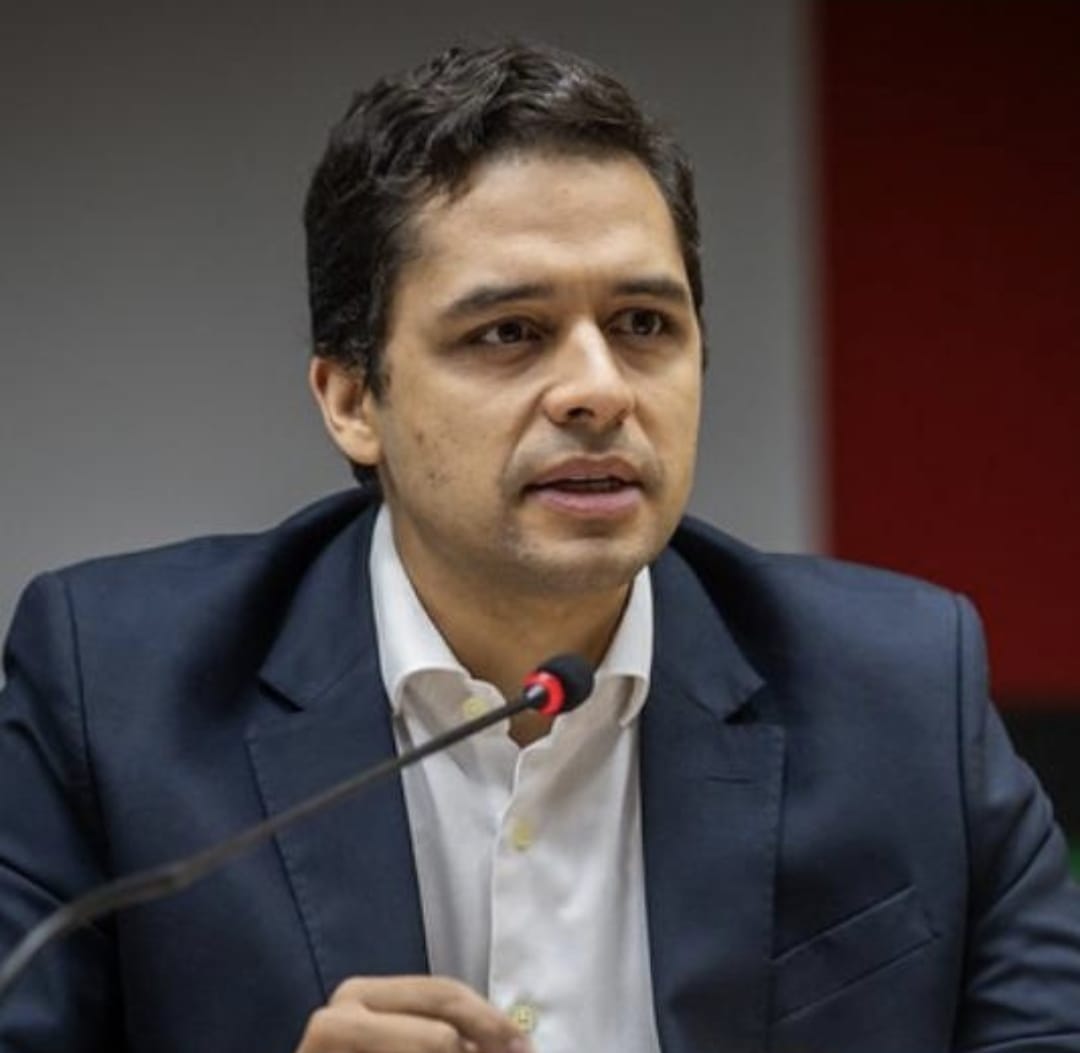
Helder Lara Ferreira-Filho
PhD in Economics at University of Brasília (UnB)
Graduated in Economics at Federal University of Minas Gerais (2013); Masters Degree in Economics at Cedeplar – Federal University of Minas Gerais (2016); and Doctorate
Degree in Economics at the Post-Graduate Program of Economics at University of Brasília (2023). Has experience in Economics, focusing on Public Finances, Economic Growth and Economic Development. Between 2016 and 2025, Federal Auditor of Finance and Control at the Ministry of Finance. Since 2025, Legislative Counsel at Chamber of Deputies (Area IX: Economic policy and planning, economic development and international economy).

Sérgio F. Meyrelles Filho
Full Professor of Economics
Doutor em Economia pelo Centro de Desenvolvimento e Planejamento Regional da Universidade Federal de Minas Gerais (CEDEPLAR/UFMG).
Professor Titular da Faculdade de Administração, Ciências Contábeis e Ciências Econômicas da Universidade Federal de Goiás (FACE/UFG). Docente permanente do Programa de Pós-Graduação em Economia da UFG.
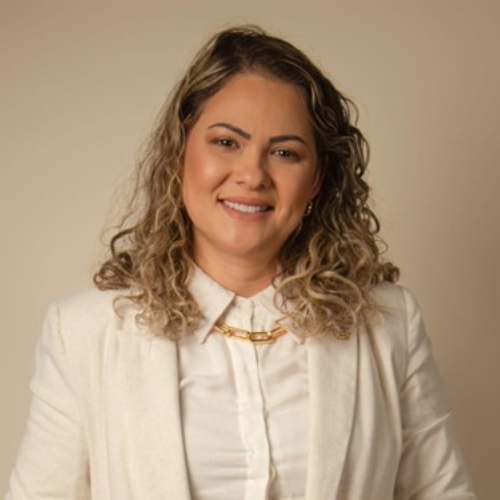
Kerssia Preda Kamenach
PhD in Economics
Economista, doutora em Economia pela Universidade de Brasília (UnB). Atuou na sociedade civil como Presidente do Conselho Regional de Economia
da 18 Região (Corecon-GO) nos exercícios de 2022 e 2023. Atualmente, é Conselheira Efetiva do Conselho Federal de Economia (Cofecon) e sócia-fundadora da Pool Consultoria Empresarial. Desenvolve pesquisas na área de desenvolvimento regional e atua como professora nos programas de pós-graduação em Gestão Financeira e em Administração da FGV/ESULP.
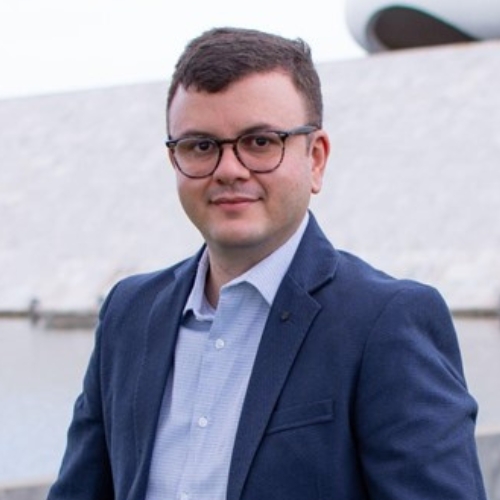
Daniel Moura da Costa Teixeira
Economist
Daniel Moura is a forestry engineer, master in economics, and Ph.D. candidate at the University of Brasília, specializing in forest economics,
environmental economics, and economic-financial modeling. He has extensive experience in sustainable investments, forest policy, and cost-benefit analyses for restoration and conservation initiatives. He has worked as a consultant for multilateral development banks, such as IADB and the World Bank, and national development banks, such as BNDES and KfW. He is affiliated with international research networks including EAEPE, PKES, IPPA, and IUFRO.
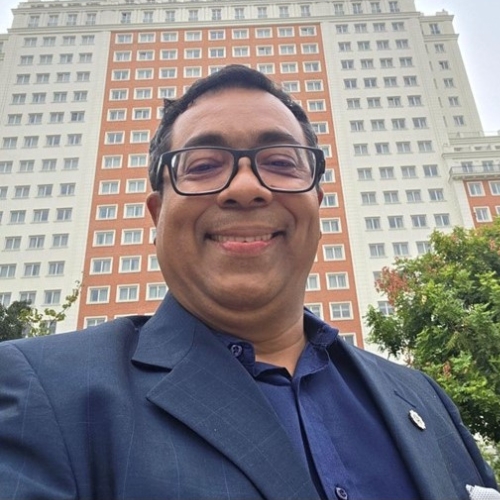
Kleydson Jurandir Gonçalves Feio
PhD Candidate at University of Brasília
Kleydson Feio holds undergraduate degrees in Economics from the Federal University of Pará and in Business Administration from UniBrasília College.
He earned a Master’s degree in Economics and is currently pursuing a Ph.D. in Economics at the University of Brasília (UnB). He also holds a postgraduate specialization in Public Finance and Budgeting from Gama Filho University (2008) and a specialization in Reverse Logistics (2012). He has taught at several higher education institutions in Brasília and was a co-founder of the journal Economia em Ação. He is currently a professor at IFB and a member of EAEPE.
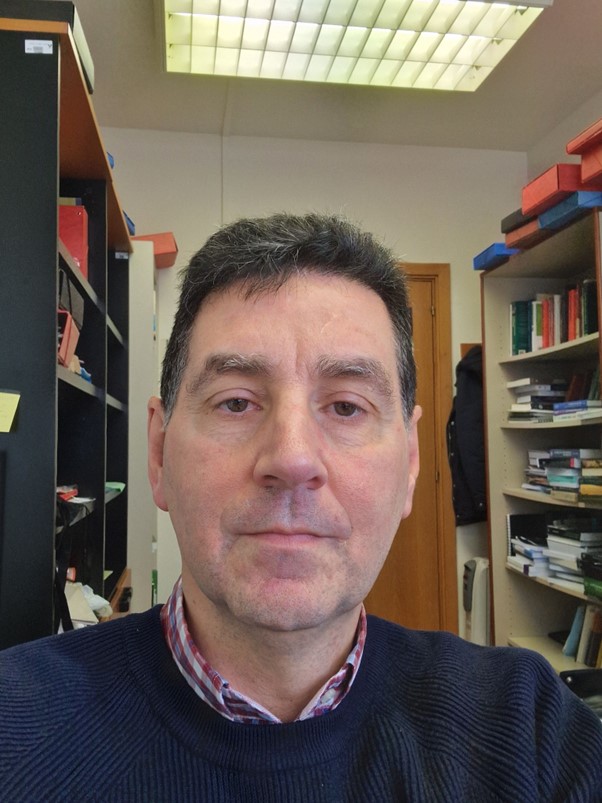
Jesus Ferreiro
Full Professor of Economics
Jesus Ferreiro is a Professor of Economics at the Department of Public Policies and Economic History at the University of the Basque Country in Bilbao (Spain).
His main areas of interest are the macroeconomic policy, the labour market and the Post-Keynesian and Institutional Economics. He has published articles in journal such as Economic Modelling, International Labour Review, Journal of Economic Policy Reform, Journal of Evolutionary Economics, PSL Quarterly Review, Review of Political Economy, Review of Social Economics, Structural Change and Economic Dynamics, among others. I am a Forum for Macroeconomics and Macroeconomic Policy (FMM) Fellow, Association for Social Economics (ASE) Trustee, Coordinator of the Research Area “Labour Economics” at the European Association for Evolutionary Political Economy (EAEPE), and Council Member at the EAEPE
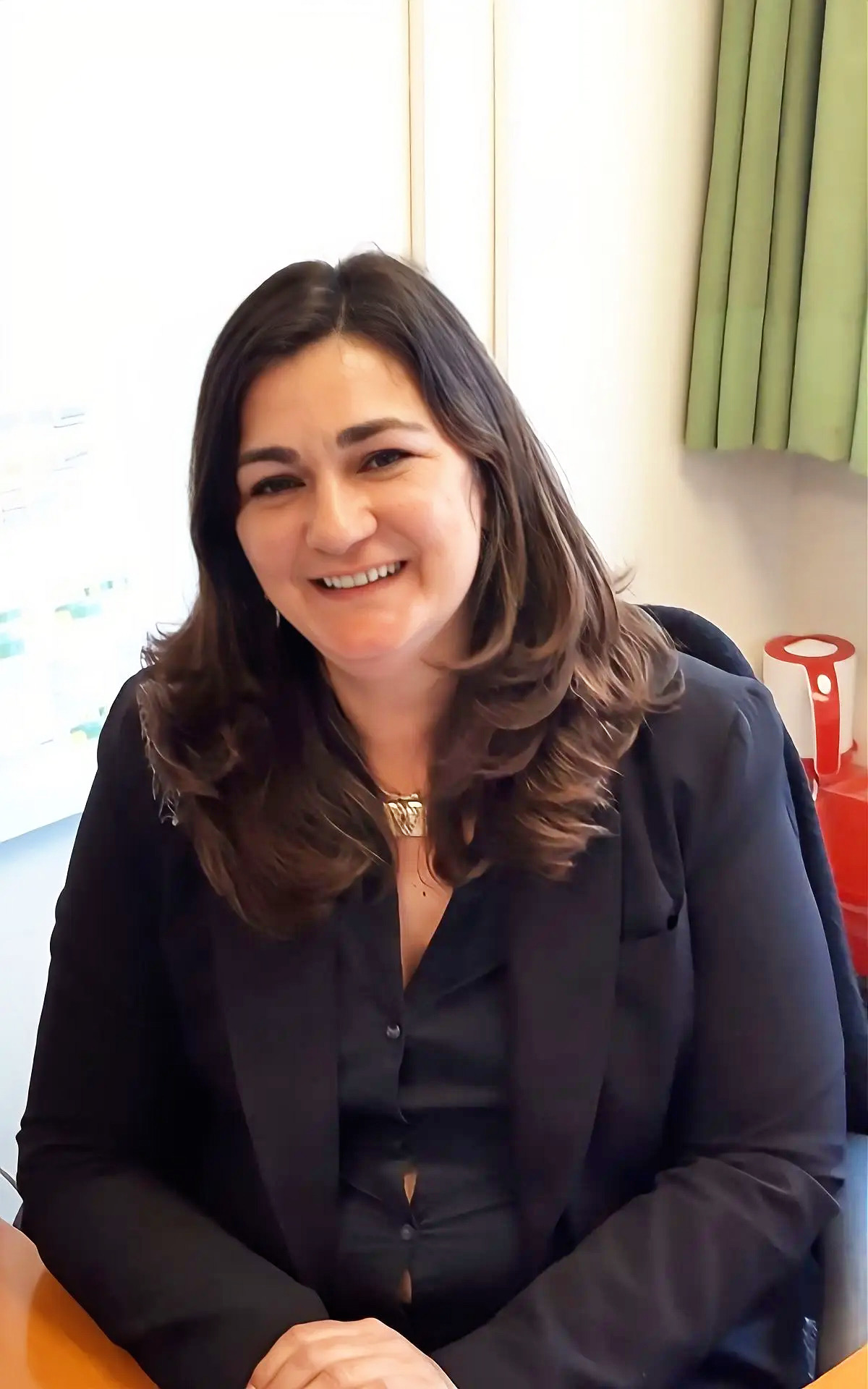
Carmen Gomez
Professor of Economics
Carmen Gomez is an Associate Professor of Economics at the Department of Public Policies and Economic History at the University of the Basque Country in Bilbao (Spain).
She has a PhD from the University of the Basque Country (Spain). Her main areas of interest are the labour market and the international economics. She has published articles in journal such as American Journal of Economics and Sociology Economic Modelling, Journal of Economic Issues, Journal of Economic Policy Reform, Journal of Evolutionary Economics, PSL Quarterly Review, Structural Change and Economic Dynamics, Panoeconomicus, among others
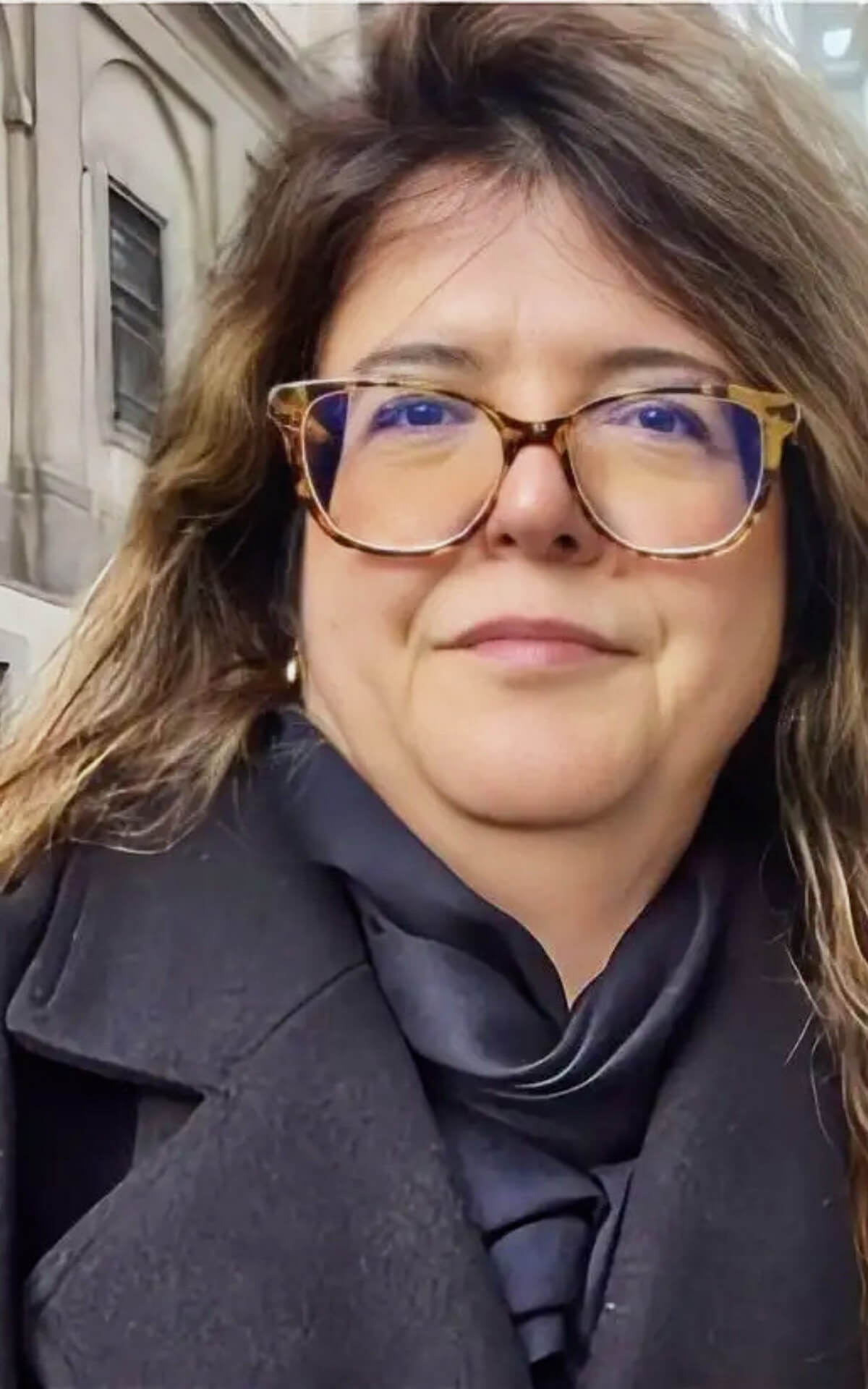
Florinda Antelo Pastoriza
Economist
Economist with over three decades of experience at the Brazilian Development Bank (BNDES), holding leadership roles across strategic áreas, including Direct Operations (Industry and Infrastructure),
Finance (Treasury and ALM), Credit (Stressed Portfolio Management), Planning (Monitoring and Evaluation), and a track record in supporting executive decision-making through roles as advisor to the Executive Board and the Audit Committee.
Strong academic background with a Master’s degree in Economics (EPGE/FGV), a postgraduate specialization in Finance (IBMEC) and a Bachelor’s degree in Economics (UFRJ).
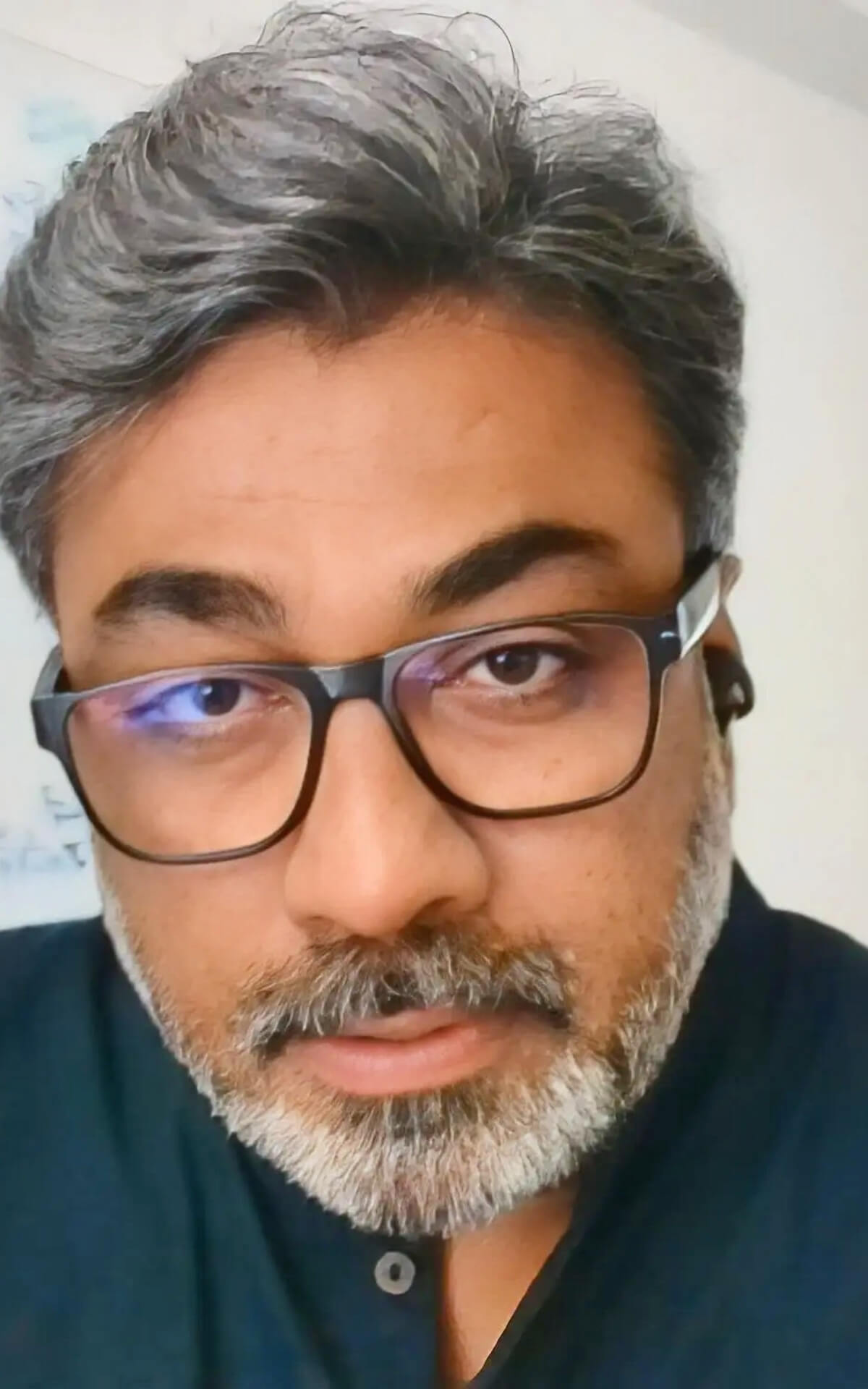
Srinivas Raghavendral
Lecturer in Economics
At the University of Galway in Ireland. Dr. Raghavendra also Coordinates the research area of Developmental macroeconomics: perspectives from the Global South at the European Association for Evolutionary Political Economy (EAEPE).
Dr. Raghavendra’ work is published in some of the well known heterodox journals including Review of Political Economy, Metroeconomica, Feminist Economics, Review of Keynesian Economics, Journal of Economics and Panoeconomics. His work is also inspired by complexity science and his research is also published in some of the top interdisciplinary journals such as International Journal of Bifurcation and Chaos, PLoS ONE and the European Physics Journal B. Dr. Raghavendra has also authored a book on Economic dynamics titled “An Introduction to Economic Dynamics: Modelling, Analysis and Simulation” published by Routledge, UK in 2023 and the second enlarged edition will be published in 2026.

Kalinka Martins da Silva
Professor of Economics
She holds a degree in Economic Sciences from the Federal University of Uberlândia (2002) and a master’s degree in economics from the Federal University of Uberlândia (2004).
She is currently a professor at the Federal Institute of Goiás, Valparaíso de Goiás Campus and a student in the PhD program in economic integration at the University of the Basque Country (UPV/EHU). She has experience in Economics, working mainly on the following topics: antitrust, competition, M&A, unemployment, informality, labour market, company size, regional inequalities, regional development, restructuring and denationalization
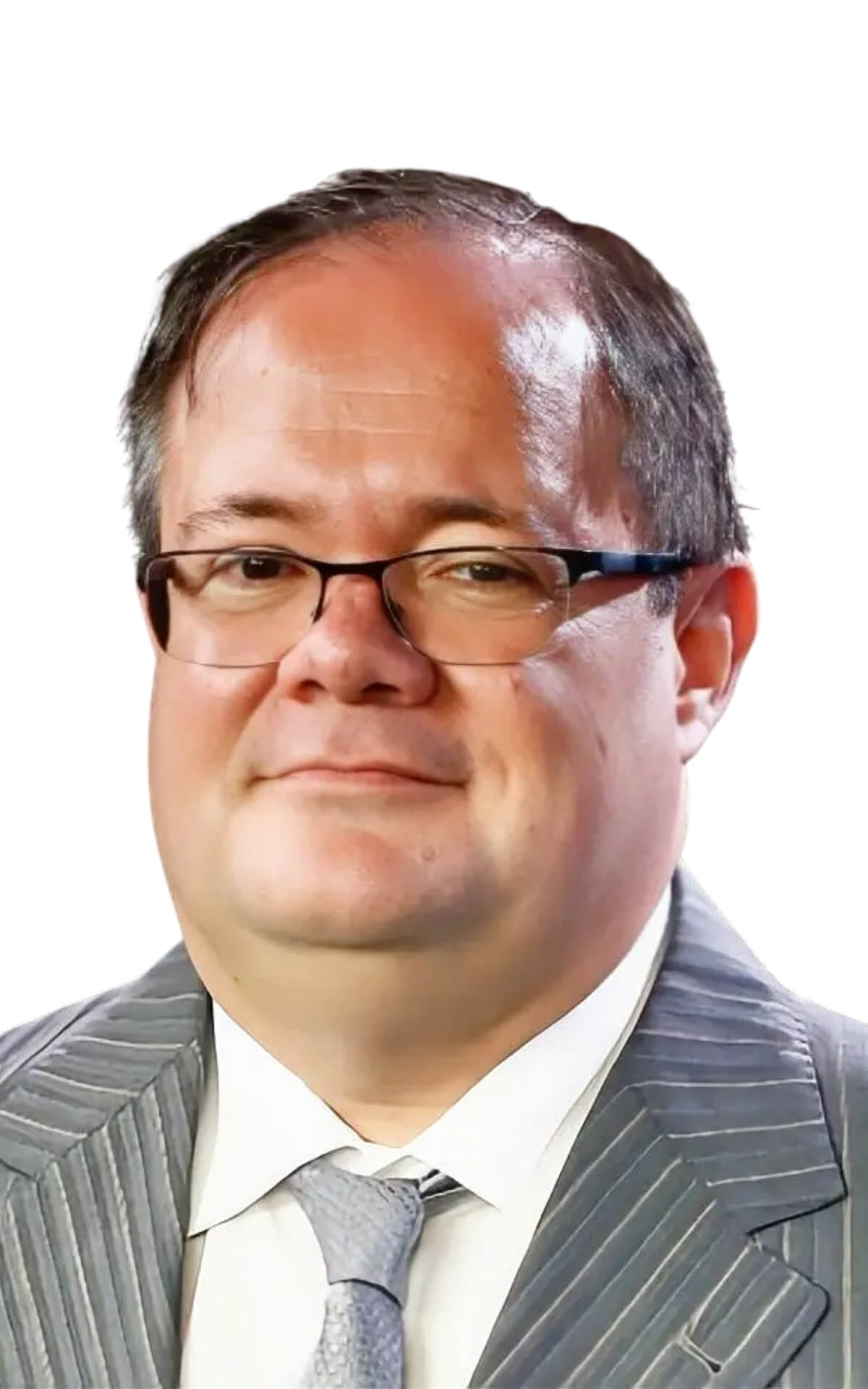
José Luis Oreiro
Professor of Economics
Professor at Economics Department of University of Brasília (UnB), Professor of Graduate Program in Economic Integration of the University of Basque Country (Bilbao/Spain),
Professor of the Graduate Program of Economics, Management and Mathematical Methods of the University of Tuscia (Viterbo/Italy), Researcher of the National Council for Scientific and Technological Development (CNPq/Brazil), Senior Member of Post-Keynesian economics Society (UK), Coordinator of the Research Area Developmental macroeconomics: perspectives of the Global South at the European Association for Evolutionary Political Economy, Member of the Board of Directors of the Regional Council of Economics at Federal District (Corecon-DF) and Coordinator of the Structuralist Development Macroeconomics Research Group. Professor Oreiro published more than 160 papers in Scientific Journals like Journal of Post-Keynesian economics, Cambridge Journal of Economics, Review of Keynesian economics, PSL quarterly review, Structural Change and Economic Dynamics, Metroeconomica, Socio-Economic planning sciences, Investigacion Economica, Cepal Review, Review of Political Economy, Brazilian Journal of Political Economy, Estudos Economicos, Revista Brasileira de Economia and Economia e Sociedade. He autored several books like Developmental macroeconomics: new developmentalism as a growth strategy (2015, Routledge) with Luis Carlos Bresser-Pereira and Nelson Marconi, Macroeconomia Monetária: Emprego, Moeda e Taxa de Juros (Alta Books, 2025), Macrodinamica Pos Keynesiana: Crescimento e distribuição de Renda (Alta Books, 2018) and Macroeconomia do Desenvolvimento: uma perspectiva Keynesiana (LTC, 2016). He was President of Brazilian Keynesian Association (2013-2015)

Julia Juárez Garcia
Research Associate
Investigadora associada na Unidade de Economia Aplicada do Instituto de Investigaciones Económicas da Universidad Nacional Autónoma de México (UNAM). Doutora em Economia pela UNAM,
com pós-doutorado na Facultad de Estudios Superiores Acatlán. Atua na área de desenvolvimento econômico sob perspectivas heterodoxas (estruturalista e pós-keynesiana), com interesse em macroeconomia kaleckiana, distribuição e crescimento. Desenvolve modelos que incorporam gênero e transição energética. Foi pesquisadora visitante na Universidad Complutense de Madrid e na Freie Universität Berlin.
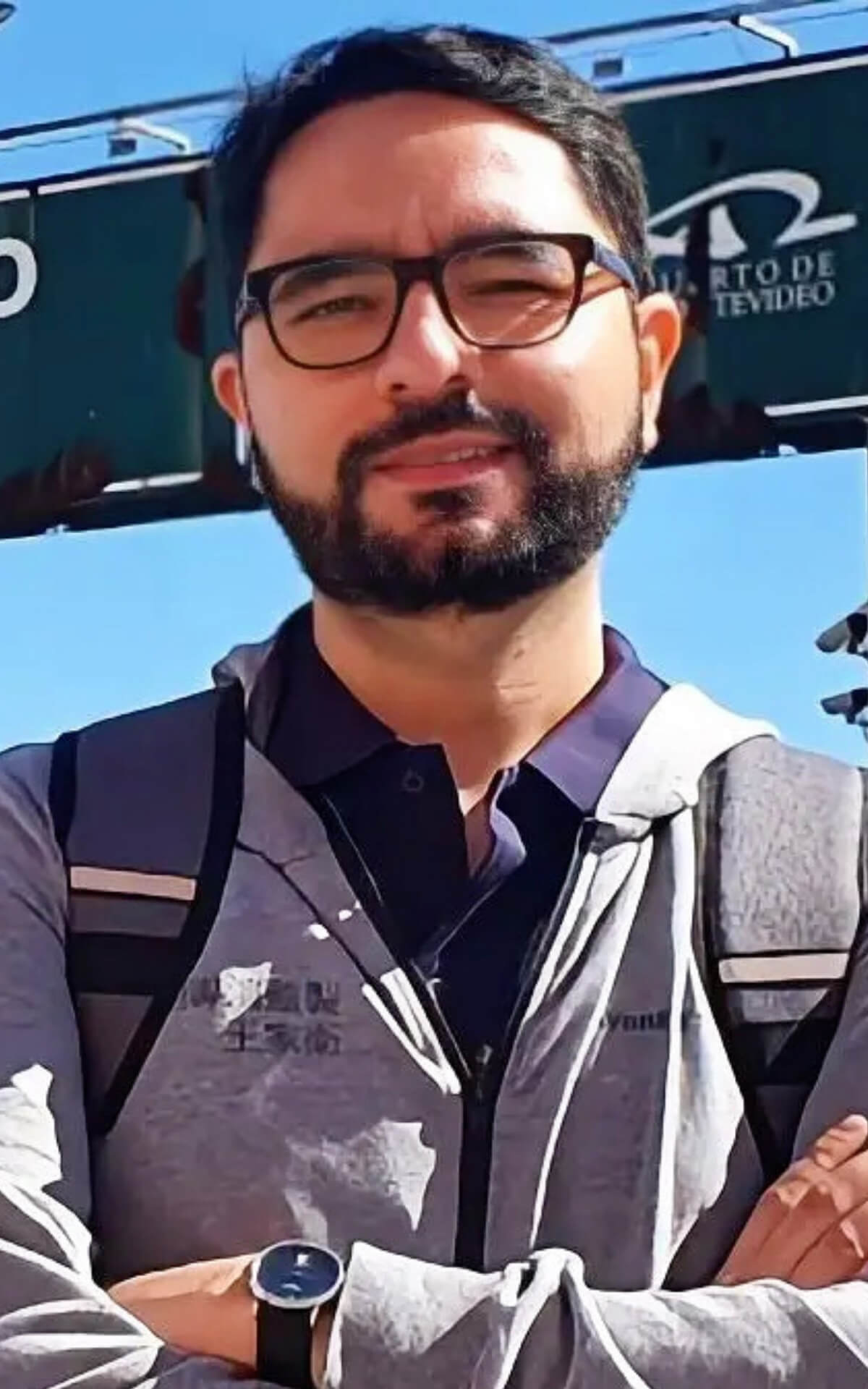
Carlos A. Carrasco
Associate Professor
Carlos A. Carrasco is an Associate Professor at UDEM Business School, University of Monterrey (UDEM, Mexico). He holds a Ph.D. in Applied Economics from
the University of the Basque Country and is a Level II member of Mexico’s National System of Researchers (SNI II–CONAHCyT). His research focuses on the interrelation between open-economy macroeconomics, structural change, and industrial policy, with recent work examining how the composition of the external sector affects economic and environmental performance.
He has hold Visiting Positions in Mexico (Ibero, ITESM), Spain (University of the Basque Country), Hungary (University of Debrecen), Peru (Universidad Privada del Norte), and Poland (Poznań University of Economics and Business).
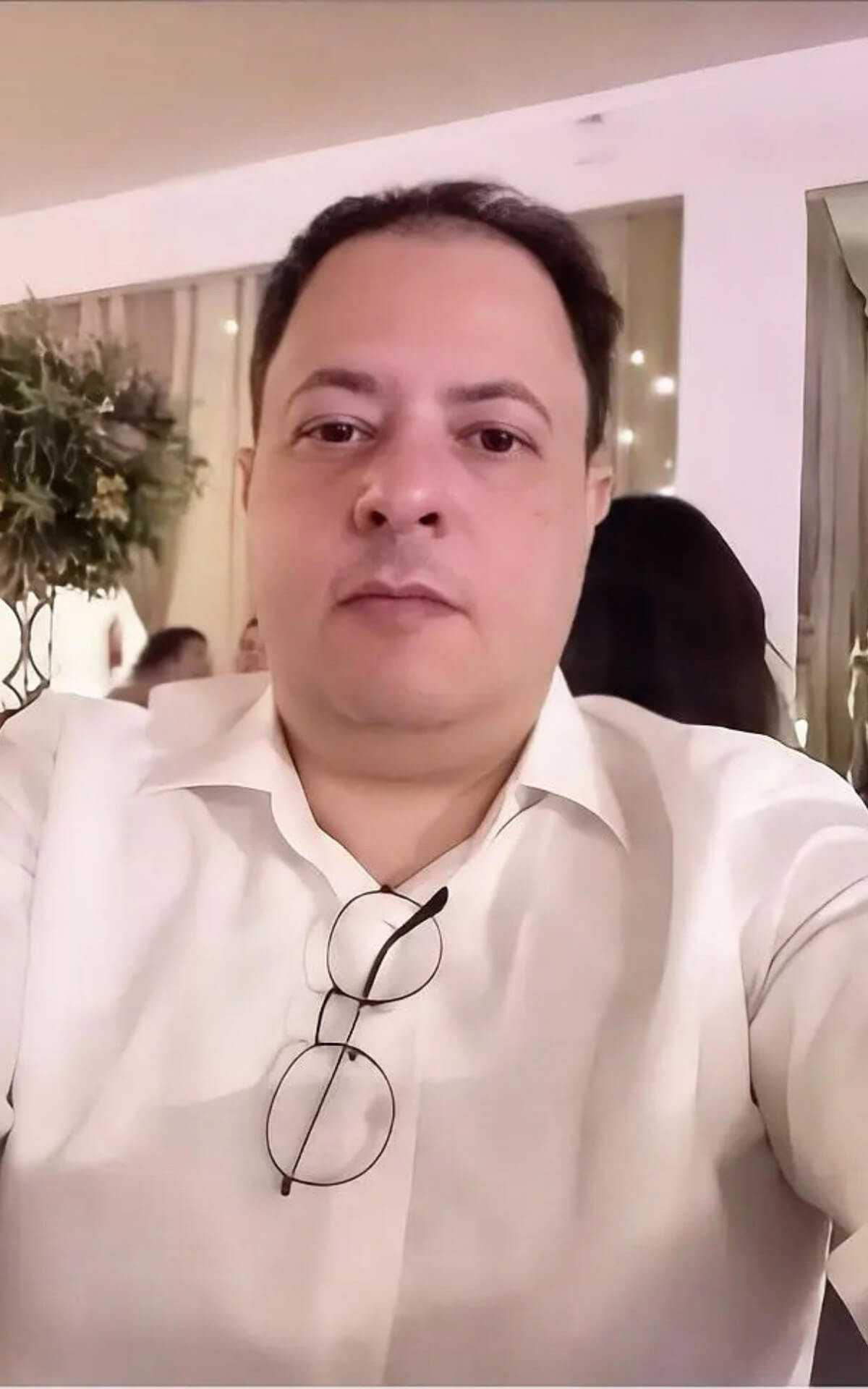
Luciano Dias de Carvalho
Full Professor of Economics
Full Professor of Economics at the Federal University of Viçosa (DEE/UFV). Expert in Complex Dynamic Systems Modeling and the Numerical Analysis
of Non-Linear Systemic Policies. My research agenda advances the fields of Political Economy and Economic Development, with a specialized focus on Macroeconomic Stabilization in open economies and the design of Fiscal and Monetary policies. I am particularly noted for the methodological integration of Stock-Flow Consistent (SFC) models with Input-Output (I-O) matrices.
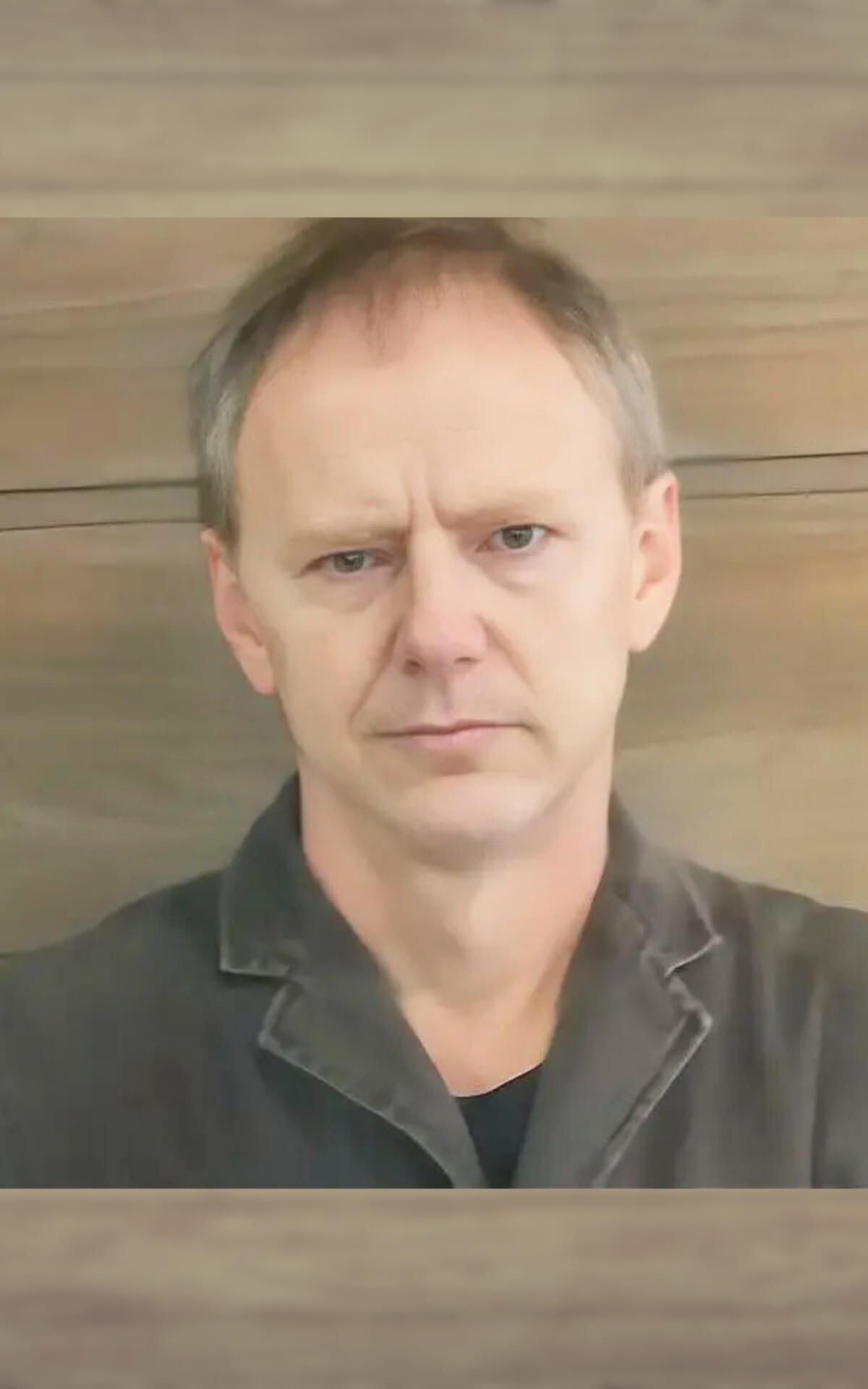
Adalmir Antonio Marquetti
Full Professor of Economics
Professor of Economics at the Pontifical Catholic University of Rio Grande do Sul (PUCRS) and Researcher at CNPq. He holds a Ph.D. in Economics from the New School for Social Research (NSSR).
He has been a Visiting Researcher at the New School for Social Research and at Newcastle University. He served as President of the Fundação de Economia e Estatística (2011–2014). I am author and editor of numerous academic articles published in national and international journals, as well as books, including Capitalismo Brasileiro e Queda da Taxa de Lucro: Ensaios (Praxis, 2025) and Unequal Development and Capitalism: Catching Up and Falling Behind in the Global Economy (2024). My research focuses on the relationship between functional income distribution, technical change, economic growth, and institutional change, as well as on the link between participatory democracy and redistribution. I am currently investigating why, since the 1980s, Brazil and other Latin American economies have experienced lower growth rates compared to Asian countries.
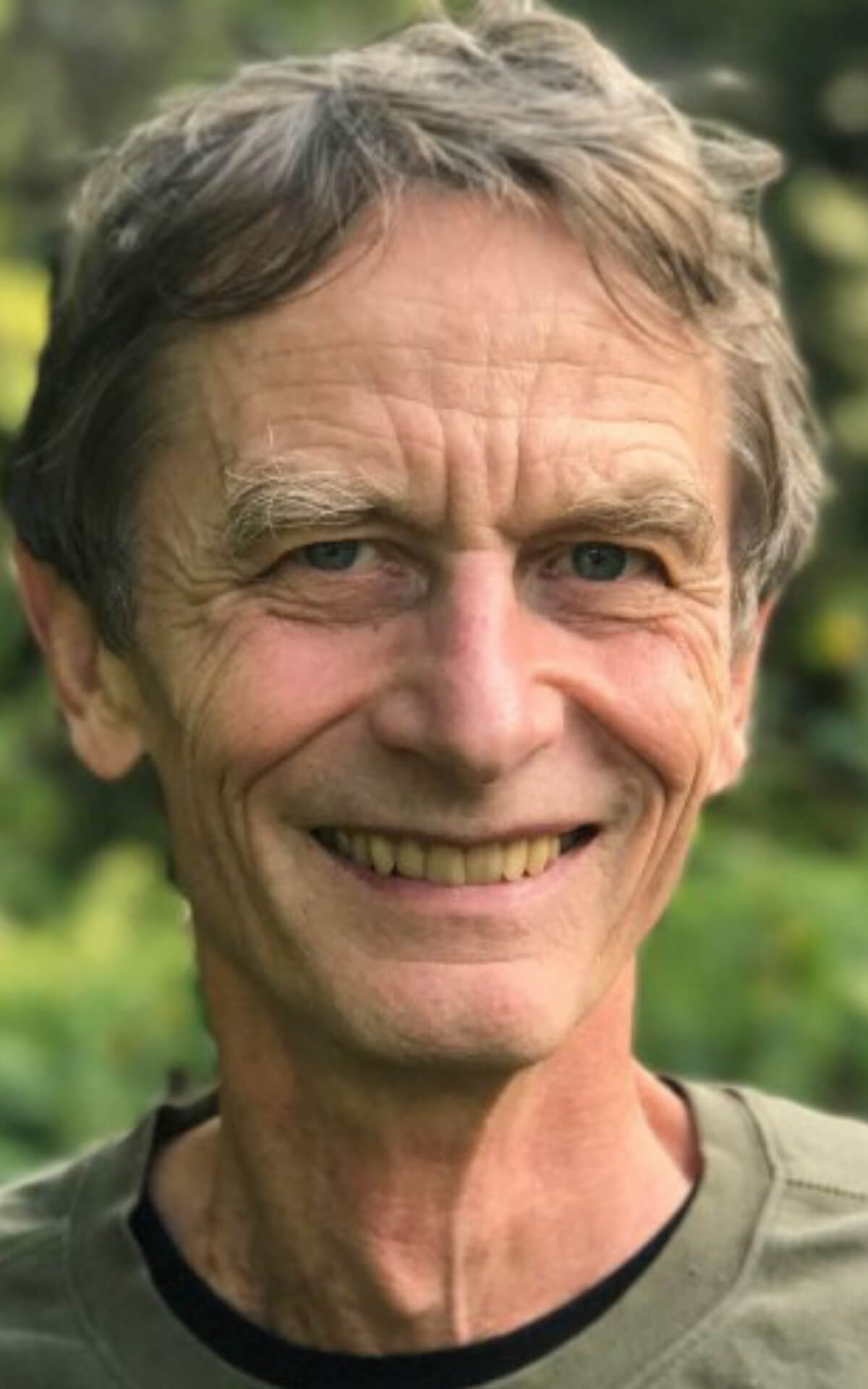
Peter Skott
Professor of Economics
Professor at Aalborg University Business School and emeritus professor at University of Massachusetts Amherst. Before moving to UMass in 2003,
I held positions at Copenhagen University (1981-1987) and Aarhus University (1987-2003). My research falls primarily within macroeconomics, with contributions on a range of topics, including economic growth and development, business cycles, inflation, and the distribution of income. My general approach draws on the (post-)Keynesian, (neo-)Marxian and institutional traditions as well as behavioral economics; a recent book on Structuralist and Behavioral Macroeconomics (Cambridge University Press, 2023) synthesizes some of my work on core macroeconomic issues.

Chiara Grazini
Assistant Professor of Political Economy
at the University of Tuscia, Italy. Previously, she was a post-doctoral research fellow in political economy in the same department. She earned her Ph.D. in Economics, Management and Quantitative Methods in 2022.
The research interests are economic growth and income distribution in post-Keynesian models, particularly concerning environmental sustainability and ecological structural change; eco-innovation, environmental regulations and research network; human development and capability approach; well-being and multidimensional evaluation of poverty.
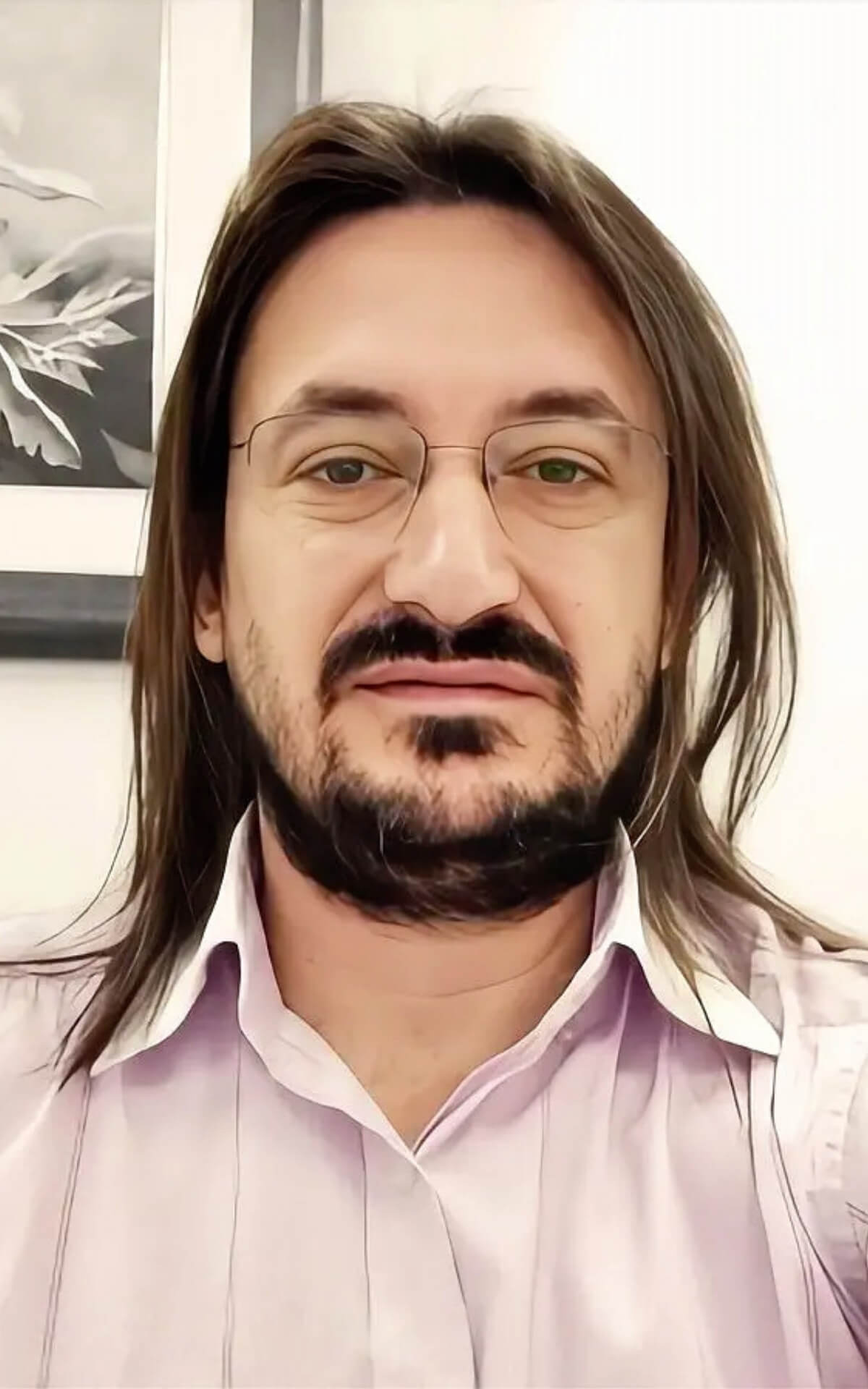
Fabricio José Missio
Professor of Economics
Professor of Economics at the Department of Economics and a researcher at CEDEPLAR, Federal University of Minas Gerais (UFMG) in Brazil, with prior faculty experience at the State University of Mato Grosso do Sul.
He holds a Ph.D. in Economics from UFMG, with a visiting period at the University of Cambridge, and his research covers development economics, macroeconomics, and applied economic topics such as real exchange rates and economic growth. His work includes multiple publications and contributions in graduate teaching and supervision.
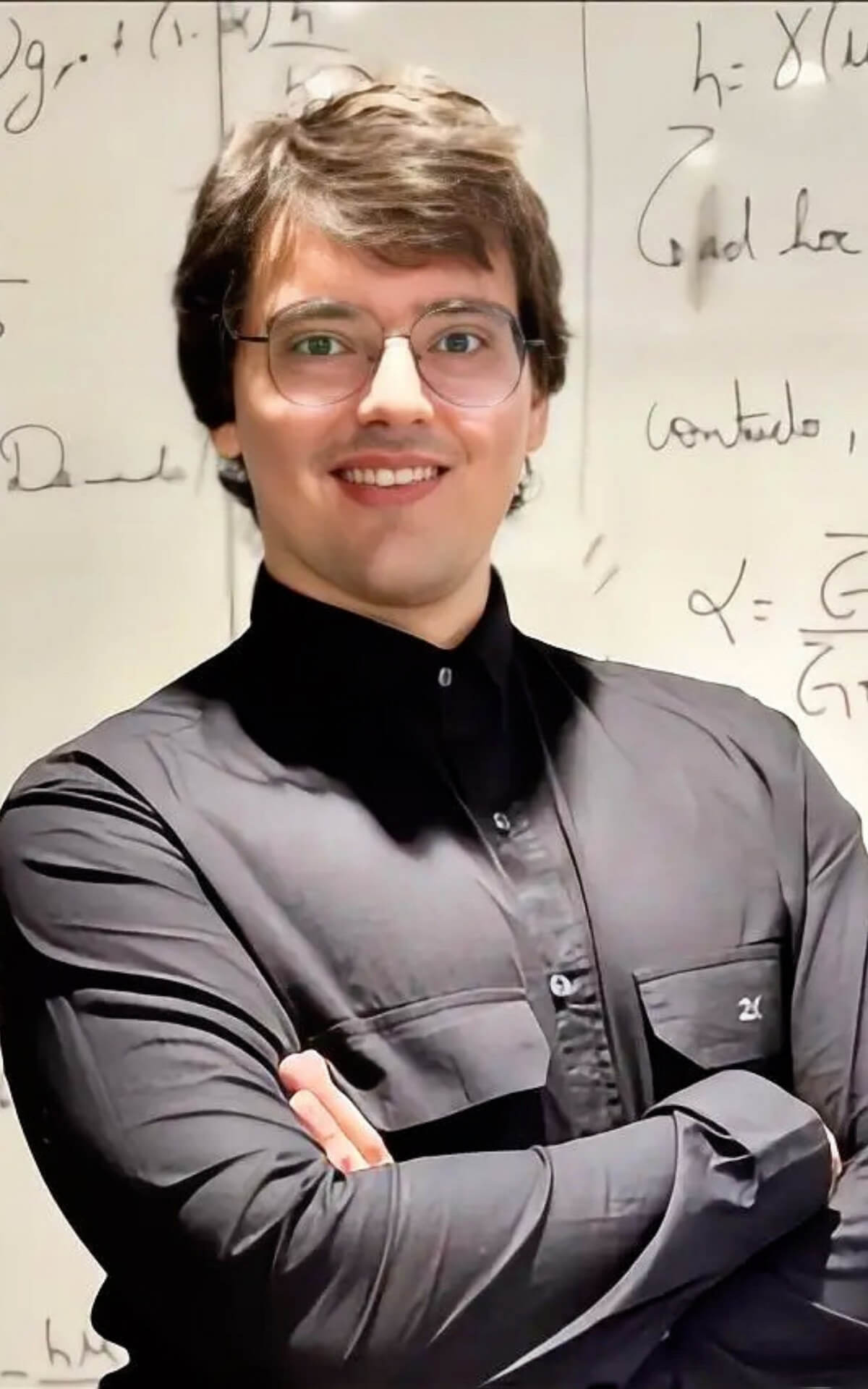
João Gabriel de Araujo Oliveira
Visiting Professor in Economics, UEL
João Gabriel de Araujo Oliveira is an economist working on the mathematical dynamics of growth and income distribution. He holds a PhD from the University of Brasília, advises the World Bank on macro-fiscal and climate policy, and has published in Metroeconomica and the Journal of Post Keynesian Economics. He is an Associate Fellow of the World Academy of Art and Science.

Nandu Sasidharan
Assistant Professor of Economics
Assistant Professor of Economics at Azim Premji University, Bengaluru, India. PhD in Economics from the University of Siena, Italy. My research focuses on public debt, dual economies, informality, and structural transformation,
with a broader interest in development macroeconomics, public finance, and political economy. I have research experience with institutions such as NITI Aayog (Government of India), the Research and Information System for Developing Countries (RIS), the Gulati Institute of Finance and Taxation, and the Centre for Development Studies. One of the recent works on state finances has been published in Economic and Political Weekly. I am one of the co-founders of Economiga, a public-facing economics collective, and currently serve as coordinator of the Inequality Working Group at the Young Scholars Initiative (YSI-INET).
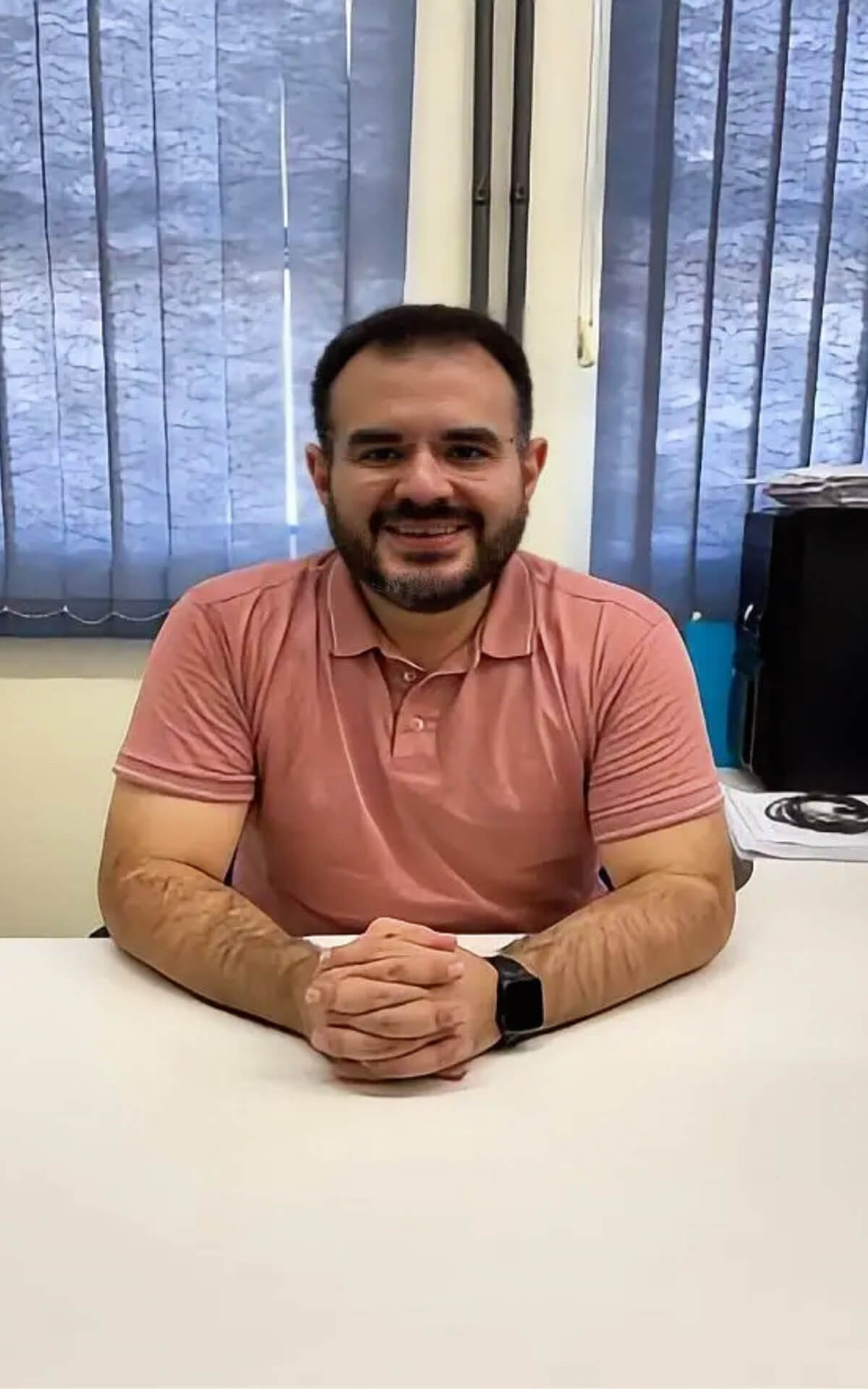
Daniel Arruda Coronel
Associate Professor of Economics
Associate Professor IV in the Department of Economics and International Relations, acting as a Permanent Professor in Graduate Programs (Stricto sensu) in Management of Public Organizations and Economics and Development,
at the Federal University of Santa Maria (UFSM). Productivity fellow from the National Council for Scientific and Technological Development (CNPq); Leader of the Research Group on Public Finance, International Economics and Economic Development; ad hoc Consultant for the Coordination for the Improvement of Higher Education Personnel (CAPES); of the Institute of Educational Research INEP/MEC and CNPq; Associate Editor of the Journal of Economics and Rural Sociology and Member of the Editorial Board (RESR-ISSN: 0103-2003); Associate Editor of the Journal of Practices in Public Administration (ISSN: 2526-6292); and Deputy Editor of the Journal of Rural Science (ISSN: 0103-8478); Member of the Scientific Initiation Committee (COIC-PRPGP-UFSM); Academic and member of the Fiscal Council of the Santa-Maria Academy of Letters (ASL); and Reviewer of International and National Journals. Permanent Professor of the Graduate Programs in Administration (2011-2016), Agribusiness (2017-2021) and Public Administration (2020-2025) at UFSM; Coordinator of the Economics and Administration area of the Research Support Foundation of the State of Rio Grande do Sul (Fapergs-2022-2024); Editor-in-Chief of the Journal of Economics and Rural Sociology (2021-2025); Advisor to the UFSM Rector’s Office (2023-2024); Pro-Rector of Human Resources at UFSM (2022-2023); Director of the UFSM Press and President of its Editorial Board (2013-2022); Director of the Brazilian Association of University Presses (ABEU, 2021-2022); Member of the Fiscal Council of the Book Chamber of Santa Maria (2017-2022); Editor-in-chief of the Journal Practices in Public Administration (2020-2021); President of the UFSM Ethics Committee (2018-2019); Member of the Advisory Committee on Economics and Administration of Fapergs (2013-2019 and 2022-2024); Secretary of the Municipal Council of Culture of Santa Maria (2016); Director of the Brazilian Society of Economics, Administration and Rural Sociology (2013-2015); and Substitute Coordinator of the Administration Course at UFSM (2011-2012). PhD in Applied Economics from the Federal University of Viçosa (UFV); Master’s degree in Agribusiness from the Federal University of Rio Grande do Sul (UFRGS); Specialist degree in Statistics and Quantitative Modeling at UFSM; bachelor’s degree in business administration at Vale do Rio dos Sinos University (Unisinos) and in Economics at UFSM. Researcher and guidance in the areas of International Economics and Public Administration, focusing primarily on the following topics: Brazilian Economic Analysis, International Industrial and Trade Policy, and Quantitative Methods.
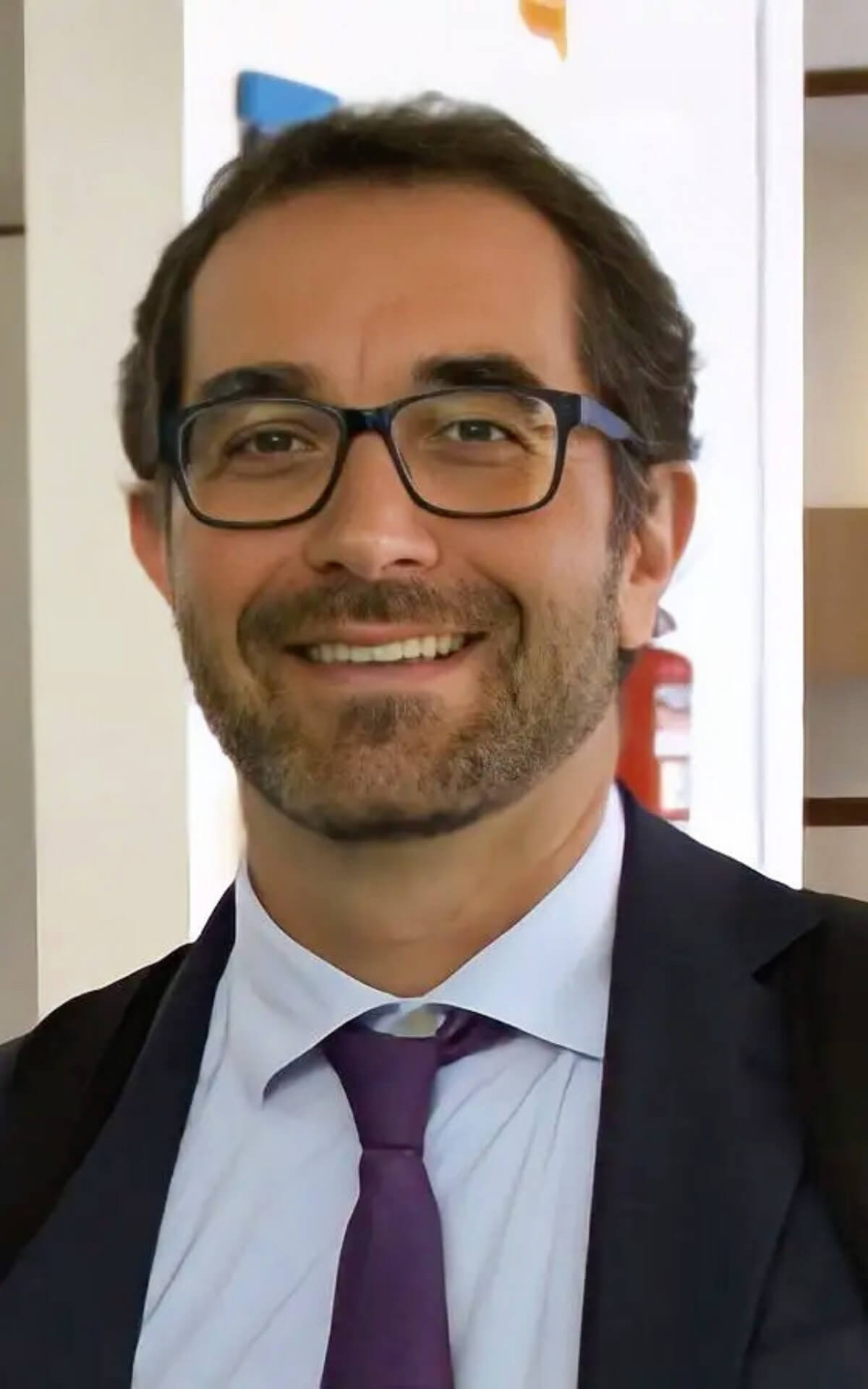
Giulio Guarini
Full Professor in Economics
Giulio Guarini (1976) is Full Professor of Economics at University of Tuscia (Viterbo, Italy), where he coordinates the PHD course in Economics, Management and Quantitative Method,
moreover he teaches Development Economics both at Sapienza University of Rome and at ZUEL University of Wuhan (China) and he is Visiting Professor at Bethlehem University (Palestine) and a member of the Academic staff of the University of Basque Country (Spain). He holds a PHD in Economics and a degree in Economics from Sapienza University of Rome. He spent periods of study in UK at the University of Oxford and the University of Sussex. He worked as economist-public servant at the Italian Agency of Territorial Cohesion and at the Italian Ministry of Economic Development and at the Italian Ministry of Economy and Finance. He is member of the teaching staff of the Master MESCI in Development Economics and International Cooperation at Tor Vergata University of Rome and he is also member of the teaching staff of the Master in “Impresa Cooperativa: Economia, Diritto e Management (Cooperative Firms: Economics, Law and Management) at Roma Tre University. He is member of MinervaLab-Sapienza University and of the association Economia Civile and of Structuralist Development Macroeconomics Research Group. He is on the editorial board of PSL Quarterly review, Moneta e Credito and Structuralist Development Macroeconomics Bulletin. He is Fellow of the National University Center for Applied Economics (CiMET). He collaborates, as scientific director of research projects, with the Italian National Agency for New Technologies, Energy and Sustainable Economic Development (ENEA). Based on the Classical-postKeynesian approach, his main research interests are economic development, ecological transition, human development, innovation, ecological macroeconomics, inequalities.
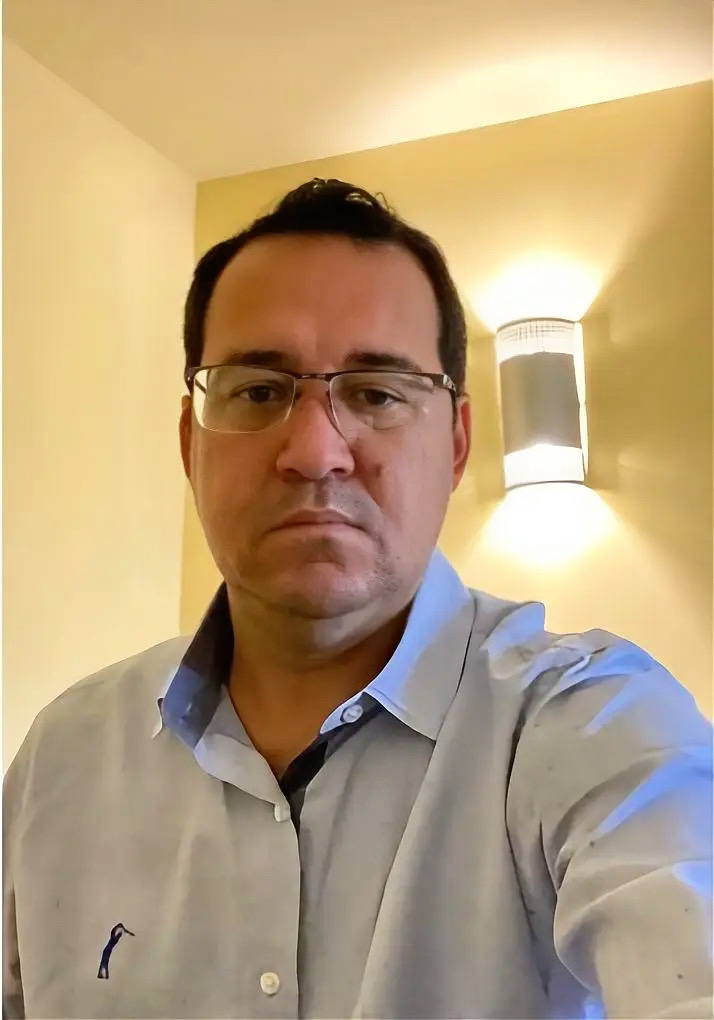
Guilherme Jonas
Full Professor of Economics
PhD in Economics from the Center for Regional Development and Planning at the Federal University of Minas Gerais (2009). Currently a Full Professor at the Institute of Economics and International Relations of the Federal University of Uberlândia and a
member of the Economics and Complexity Center (PPGDE-UFPR). Tutor of the “PET Economics” Group at the Federal University of Uberlândia (2014–2020). Has experience in the field of Economics, with an emphasis on Applied Economics, working mainly on the following topics: Macroeconomics, Economic Growth, and Economic Planning. Has received awards and published several articles in scientific journals such as PSL Quarterly Review, Investigación Económica, CEPAL Review, EconomiA, Estudos Econômicos, Revista Economia e Sociedade, Revista de Economia Aplicada, Revista de Economia Política, Revista de Economia e Sociologia Rural, International Review of Economic Policy, Brazilian Keynesian Review, Revista Econômica do Nordeste, and Revista de Economia (UFPR). Additionally, is co-author of the books “Agenda Brasil,” “New Developmentalism,” “Exchange Rate and Capital Controls,” “Financial System,” “Financial System and Economic Policy in an Era of Instability,” “The International Financial Crisis,” “The New Face of Rural Poverty,” “Industry, Growth and Development,” and “Hyman Philip Minsky and John Maynard Keynes: Contemporary Contributions.”
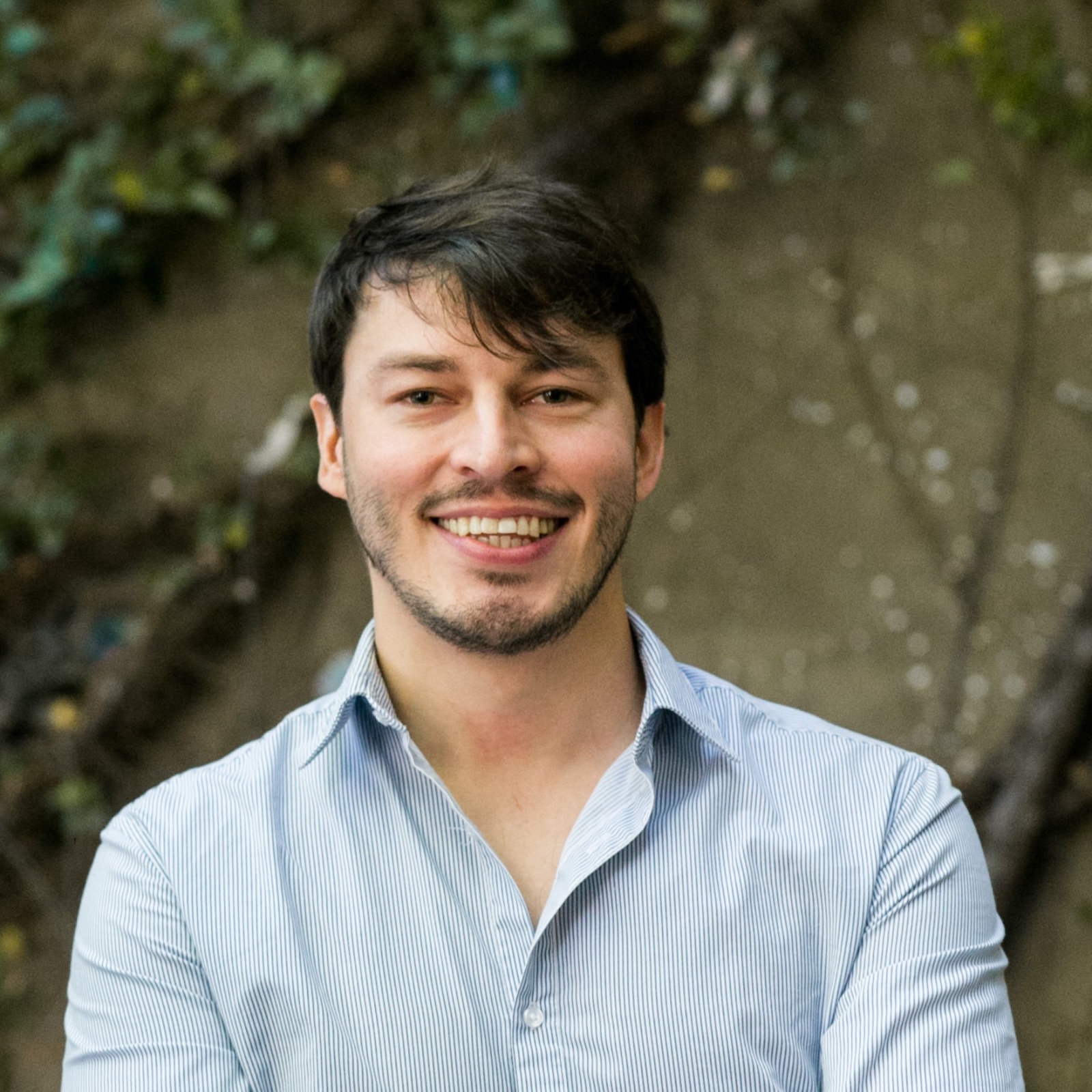
Gabriel Palazzo
Assistant Professor of Economics
I am a development economist from Latin America. My research is focused on the field of developmental macroeconomics, natural resources, trade and structural change, focusing primarily on quantitative approaches. I am interested in the interaction between macroeconomic variables and structural change, the role of the real exchange rate on trade, strategies for development based on natural resources and the resource curse agenda.
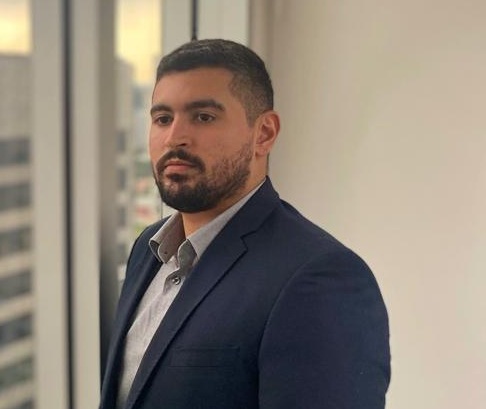
Guilherme Peçanha Travassos
Financial Economist
Postgraduate in Economics from the São Paulo School of Economics (EESP/FGV), and Bachelor’s degree in Public Administration from São Paulo State University (UNESP).
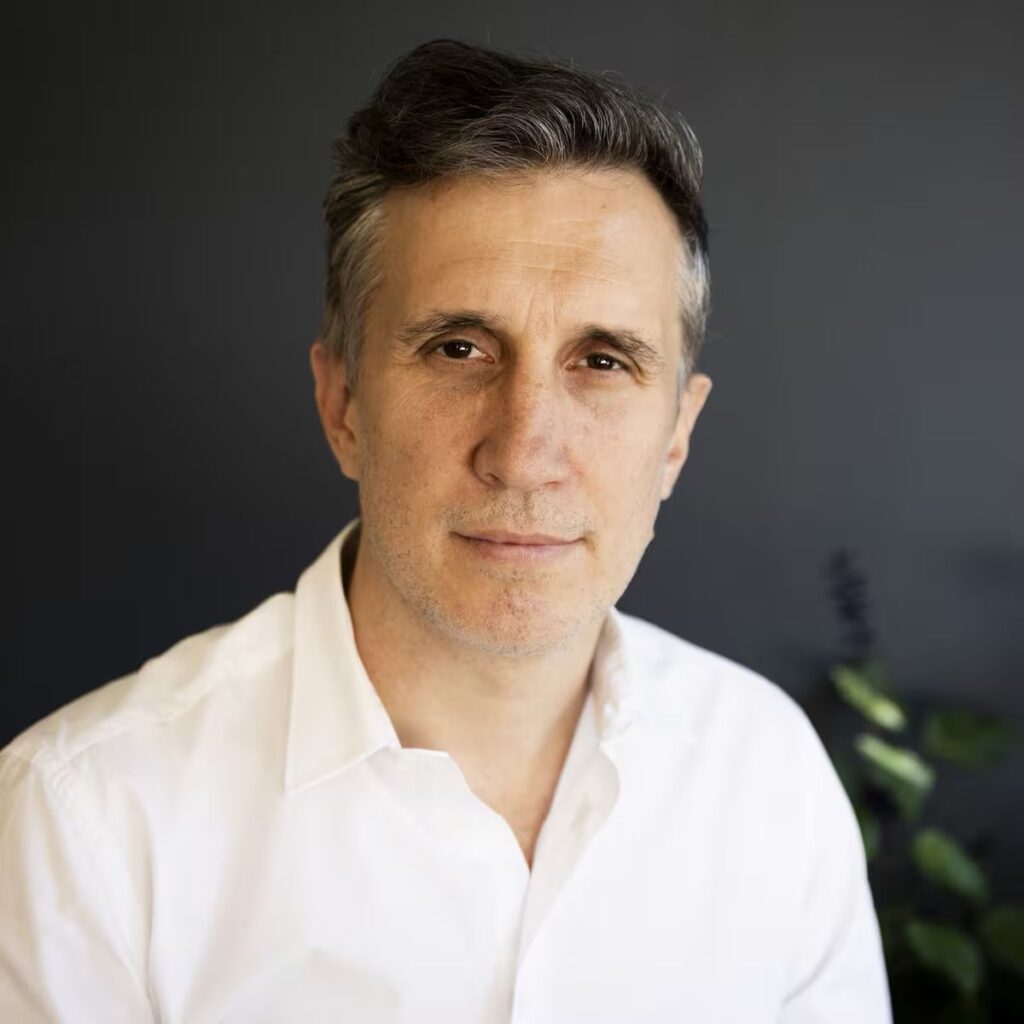
Martín Rapetti
Executive Director at Equilibra, Researcher at CONICET & CEDES, and Associate Professor at the University of Buenos Aires
Martín Rapetti is a leading macroeconomist working at the intersection of economic theory and development policy, with a particular focus on the real exchange rate as a strategic lever for structural transformation. He is the Executive Director of Equilibra, a Buenos Aires–based economic research firm, and a researcher at Argentina’s National Scientific and Technical Research Council (CONICET) and the Center for the Study of State and Society (CEDES). A Professor of Macroeconomics at the University of Buenos Aires, he holds a Ph.D. in Economics from the University of Massachusetts, Amherst. His work has appeared in leading international journals, and in 2026 he received the Konex Award in Macroeconomics, one of Argentina’s most prestigious recognitions of achievement. He previously led the Economic Development Program at CIPPEC and directed the UBA’s Master’s in Economics.
Professor Rapetti’s work is deeply embedded in the structuralist and Post-Keynesian traditions, emphasizing the importance of competitive exchange rate regimes and the resolution of distributive conflicts to achieve sustainable growth.3
He holds a Ph.D. and an M.A. in Economics from the University of Massachusetts, Amherst, where he developed advanced models of open-economy macroeconomics under the mentorship of leading heterodox scholars.1 His academic career includes serving as the Director of the Master’s Program in Economics at the University of Buenos Aires (UBA), where he continues to teach as an Associate Professor of Macroeconomics II.1 Beyond academia, he has held significant leadership roles in the policy sphere, notably as the Director of Economic Development at CIPPEC and the Director of Policy and Research for the Think-20 (T20) during Argentina’s G20 presidency in 2018.4
Professor Rapetti has published extensively in world-renowned journals such as the Cambridge Journal of Economics, Journal of Post-Keynesian Economics, Structural Change and Economic Dynamics, and the Journal of Globalization and Development.6 His most recent research formalizes the “Three Key Levels of the Real Exchange Rate” in Latin America, providing a unified framework to analyze macroeconomic equilibrium, social stability, and developmental goals.3 His insights are frequently sought by international organizations and media outlets for his nuanced analysis of inflation stabilization and currency regimes in emerging markets.
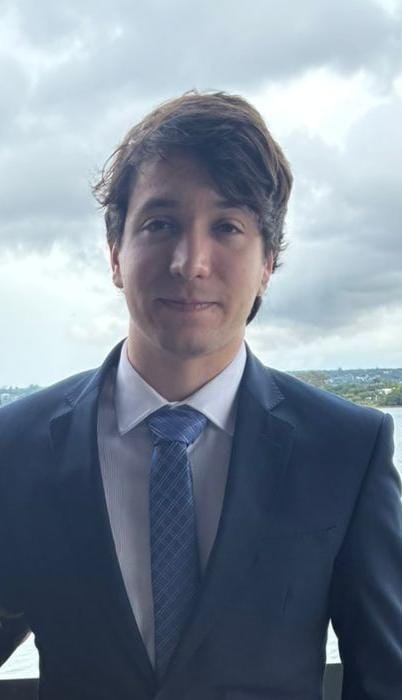
Felipe Gozzi de Carvalho
Auditor, Brazilian Central Bank
An economist from the University of São Paulo (USP), graduating in 2024, and holding a master’s degree in Economics from the University of Brasília (UnB), completed in 2026. Since the beginning of 2026, he has been an Auditor at the Central Bank of Brazil. His academic and professional career has focused on economics, economic development, and macroeconomics. His master’s thesis focused on the recent evolution of the Great Divergence between countries, with an emphasis on productivity, productive structure, and determinants of development.
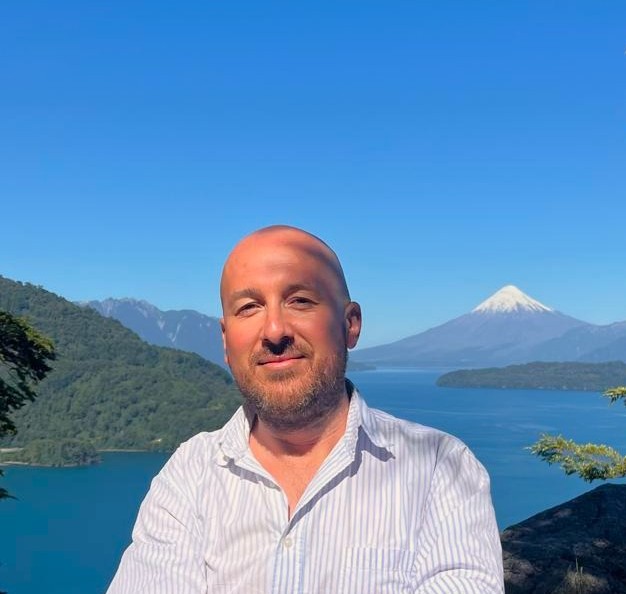
Nicolás M. Burotto
Post-Doctoral Researcher, UFRJ
I am a FAPERJ Nota 10 Postdoctoral Researcher at the Institute of Economics, Federal University of Rio de Janeiro (UFRJ), Brazil, where I also obtained my PhD in Economics.
My research interests lie in open-economy macroeconomics, distributive conflict, and sectoral heterogeneity. My work investigates the interaction between macroeconomic dynamics, distributive conflict, and structural change. My research has been published in journals including Metroeconomica and the Journal of Post Keynesian Economics, among others.
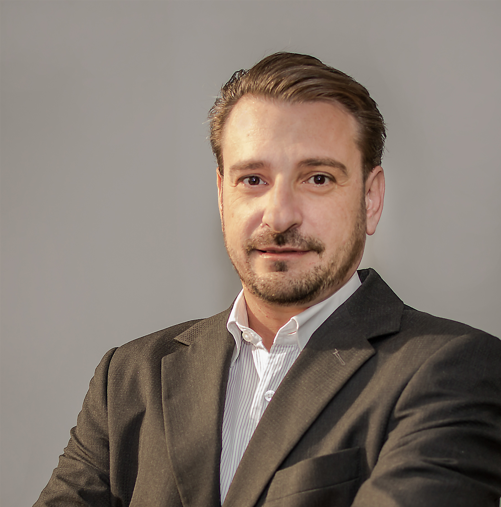
Lucas Lautert Dezordi
Associate Professor, Pontifical Catholic University of Paraná
Professor of Economics at the Pontifical Catholic University of Paraná (PUCPR)
He holds a Ph.D. in Economic Development from the Federal University of Paraná (UFPR)
Macroeconomics professor at PUCPR. He defended his doctoral thesis at UFPR, titled “The Conduct of Economic Policies During a Time of Financial Fragility: A Post-Keynesian Approach.” His research focuses on monetary economics, economic policy, and forecasting models. He has served as chief economist for asset management firms, notably ranking among the top five forecasters tracked by the Central Bank of Brazil.
He is a member of the Financial Allocation Strategy Committee (CEAF) of the State of Paraná Sovereign Wealth Fund—representing expertise in investment and risk management, valuation, and finance—and serves as an economic advisor to the Paraná Federation of Commerce.

Acknowledgements
We gratefully acknowledge the individuals whose contributions made the development of this website possible. Their support has been essential to the dissemination of our research.
Adalmir Marquetti
Carmem Gomez
Daniel Coronel
Fabrício Missio
Helder Lara Ferreira-Filho
Jesus Ferreiro Aparicio
João Padro Heringer Machado
Kalinka Martins da Silva
Kérssia Preda Kamenach
Kleydson Feio
Leandro Safatle
Luciano Dias de Carvalho
Luciano Pereira da Silva
Luis Carlos Garcia de Magalhaes
Marwill-Dávila Fernandez
José Luis Oreiro